









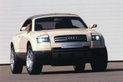






Audi Aztec
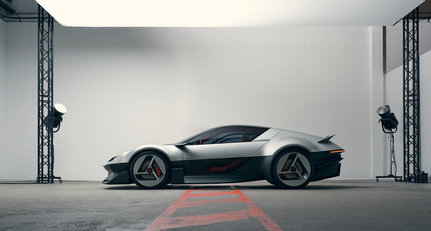
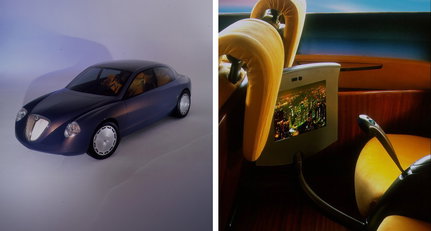
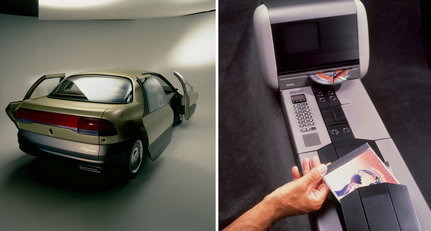
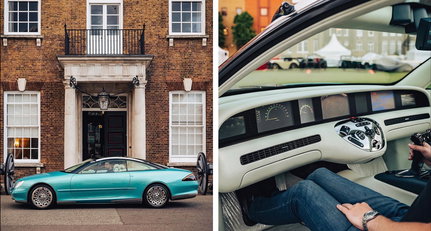
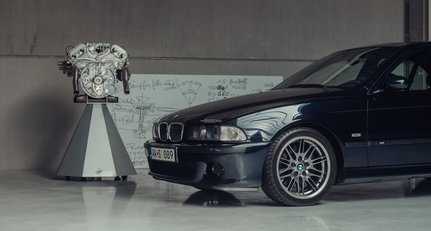
Presented at the Frankfurt Motor Show in 1988, the Audi Aztec was one of the brand’s most radical concepts. Designed by Giorgetto Giugiaro at Italdesign, it featured an open-top twin-cockpit layout that visually separated driver and passenger. Its wedge-shaped body, exposed technical elements, and advanced electronics gave it a futuristic and slighly dystopian appearance. The Aztec showed Audi's willingness to explore bold, emotional design at a time when the brand was still shaping its modern identity. Though never produced, it proved Audi could be as adventurous as traditional exotic-car makers.


Audi quattro Spyder
Unveiled at the Frankfurt Motor Show in 1991, the Audi quattro Spyder was a compact mid-engined sports car that attracted strong public interest. Its lightweight aluminum body, low stance, and removable roof panels created a pure sports-car profile. The concept highlighted Audi’s expertise in aluminum construction and performance engineering. Production was seriously considered, but cost concerns ended the project. The quattro Spyder remains one of Audi’s most celebrated unrealized models and a symbol of the company’s sporting ambitions in the early 1990s.


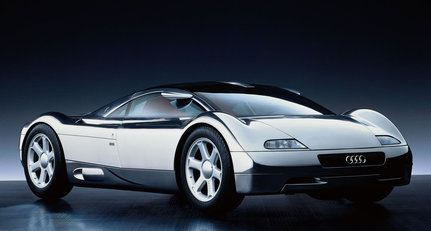
Audi Avus quattro
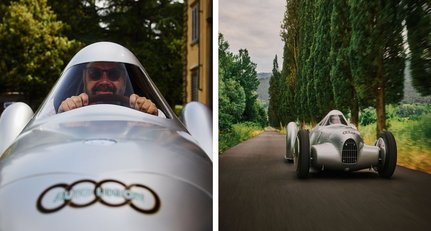
The Avus quattro, famously displayed at the Tokyo Motor Show in 1991, was a dramatic supercar concept named after the historic Avus racetrack near Berlin and designed as a modern-day Silver Arrow. Its polished aluminum body created a mirror-like finish, while its low, wide proportions emphasized speed and performance. Audi designed it around a proposed W12 engine, previewing a layout later adopted within the Volkswagen Group. The Avus quattro mainly served as a showcase for aluminum space-frame technology and Audi’s growing performance ambitions. Today it is hailed as one of the most stylish and avant-garde concepts of its era.


Audi TT Showcar
The Audi TT showcar debuted at the Frankfurt Motor Show in 1995 and became one of Audi’s most influential concepts. Designed by J Mays and Freeman Thomas, it featured clean geometric forms and Bauhaus-inspired simplicity. Its minimalist styling stood out in the 1990s and received an overwhelmingly positive response. Audi brought the TT into production with only minor changes, making it a rare example of a concept car translating almost directly into a successful production model.

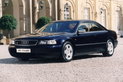
Audi A8 Coupé Concept
In 1997, the Audi A8 Coupé concept explored how the luxury A8 sedan could become an elegant grand tourer. Based on the aluminum-intensive A8 platform, it featured a sleeker two-door body and sportier proportions. The study balanced luxury with performance and signaled Audi’s interest in expanding beyond traditional sedans. Although it never reached production, it foreshadowed future vehicles such as the Audi A5 and Audi A7.


Audi Steppenwolf
Introduced at the Paris Motor Show in 2000, the Audi Steppenwolf anticipated the rise of sporty crossovers. Based on the first-generation TT, it combined coupe styling with increased ground clearance and off-road capability. Rugged bodywork, large wheels, and quattro all-wheel drive reinforced its adventurous image. The concept suggested that future customers would seek a blend of sports-car design and SUV practicality, an idea later realized through Audi’s growing Q-model range.

Audi Nuvolari quattro
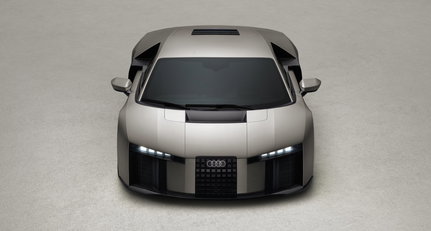
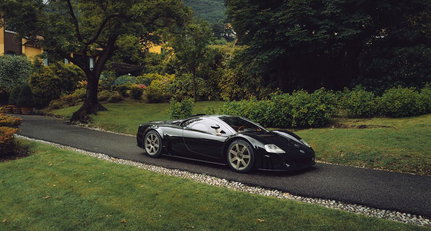
The Audi Nuvolari quattro debuted at the Geneva Motor Show in 2003 as a striking four-seat grand tourer named after racing legend Tazio Nuvolari. Its long hood, fastback roofline, and prominent single-frame grille previewed key elements of Audi’s future design language. Powered by a twin-turbo V10 concept engine, it combined luxury and performance. The Nuvolari directly influenced later coupes, particularly the Audi A5. Recently, the Nuvolari name has been chosen again for Audi's latest limited-production supercar.


Audi quattro concept
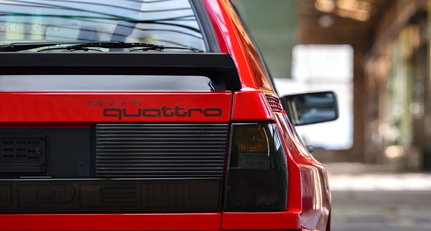
Revealed at the Paris Motor Show in 2010, the Audi quattro concept celebrated 30 years of the iconic Audi Quattro. It modernized the original’s flared arches, compact proportions, and distinctive stance while adding contemporary performance technology. Built on RS5 underpinnings, it combined lightweight construction with a powerful turbocharged engine. Although never produced, it reinforced Audi’s rally heritage and the continuing importance of quattro all-wheel drive to the brand.

Audi e-tron Spyder
Presented at the Paris Motor Show in 2010, the Audi e-tron Spyder showcased an early vision of electrified performance. The low roadster paired electric motors with a small diesel range extender, creating an advanced plug-in hybrid system. Sharp body surfaces and futuristic lighting emphasized its technical character. The concept demonstrated that Audi’s future e-tron strategy would combine efficiency with excitement, helping shape the company’s later electric-vehicle development.

Audi A:I Race
The Audi A:I Race concept, unveiled at the Pebble Beach Concours d'Elegance in 2018, explored the future of autonomous performance cars. Its low electric body featured dramatic aerodynamics, exposed wheels, and a minimalist cockpit shaped by artificial intelligence. Audi envisioned a vehicle capable of autonomous driving while still allowing an engaging manual experience. The concept reflected major industry trends toward electrification, connectivity, and automation, while reimagining the role of the sports car in the decades ahead.
Watch our feature film about Audi's secret concept cars
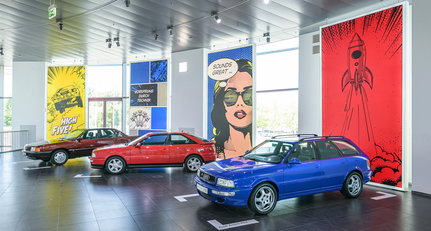
All ten of these game-changing concept cars are on display until 12 July 2026 as part of the “Design Legends” exhibition at the Audi Museum in Ingolstadt, Germany. To dive deeper into their stories, watch our latest feature documentary, in which curator Stefan Felber gives Classic Driver’s J.P. Rathgen an exclusive tour of the exhibition. The film is now available on our YouTube channel.