




M24 Motorsport Museum, Le Mans, Sarthe
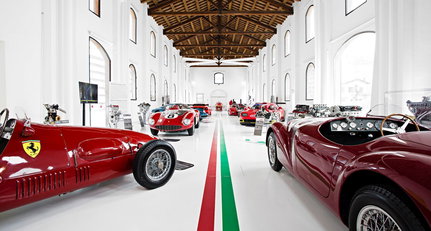
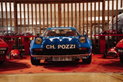
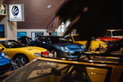
Following an extensive eleven-month renovation, the legendary Musée des 24 Heures du Mans reopened in May 2026 under its spectacular new identity, M24 Motorsport Museum. The transformation is massive, as the exhibition space has grown to 8,600 square meters. While the historic 24 Hours of Le Mans remains the emotional backbone of the venue, the revamped space now celebrates motorsport in its broadest sense, including Formula 1, rallying, and motorcycle racing. The modern architecture pairs with an immersive new scenography using advanced sound and light effects to bring racing history to life. With seven-time F1 World Champion Lewis Hamilton serving as the official patron, a major star exhibit is his 2018 title-winning Mercedes W09. The permanent exhibition features over 120 authentic vehicles, showcasing a rich mix of global icons from Porsche, Audi, and Ferrari, alongside legendary French brands like Alpine, Peugeot, Bugatti, and Matra that shaped the history of the local race. The display is completed by nearly 4,700 detailed model cars tracking every decade of the event since 1923.


Manoir de l'Automobile, Lohéac, Bretagne
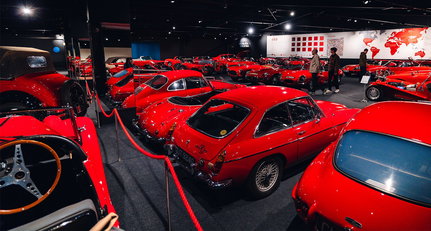
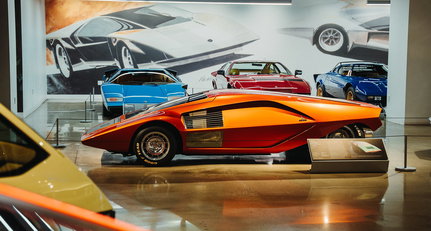
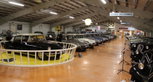
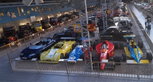
The Manoir de l'Automobile in Lohéac, housed in a historic 17th-century Breton manor complex, is home to one of Europe's largest automotive collections. Spanning over 15,000 square meters, the museum features more than 400 vehicles on a chronological journey. A major highlight is the life-sized recreation of a Formula 1 starting grid with eighteen authentic Grand Prix cars from different eras. The extensive exhibition covers early pioneers and motorsport icons, including dedicated spaces for the 24 Hours of Le Mans and Group B rallying. Visitors can enjoy Italian eighties exotics, French rally legends, and iconic movie cars. The museum also recreates the vibe of a 1930s village street. Outside, the experience extends to an active racetrack, the Circuit de Lohéac, which hosts dynamic demonstrations, track days, and historic events.


Musée Espace Automobiles Matra, Romorantin-Lanthenay, Sologne
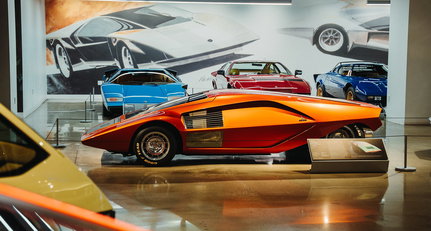
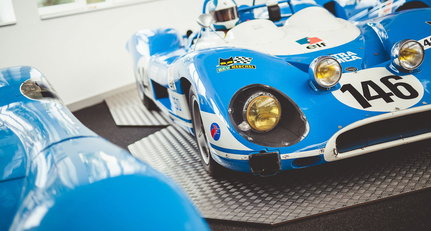
French cars have the image of being quirky, unusual and sometimes highly innovative. Attributes that also apply to Matra, the aerospace company that ventured into the automotive sector in the early sixties. Originally designed by René Bonnet, the Djet was already the world's first mid-engined production car when Matra took it over in 1964. Housed in a former camera factory, the museum uses a unique three museums in one concept to guide visitors through brand history, motorsport pedigree, and technical innovations. The collection displays around 70 vehicles and a revered selection of engines. The racing section celebrates Matra's golden era under Jean-Luc Lagardère, highlighting the 1969 Formula 1 world title and three consecutive Le Mans victories, complete with recorded and goosebump-inducing V12 sounds. The remaining halls honor the avant-garde production models and prototypes envisioned by Philippe Guédon, like the three-seater coupe Bagheera, the Rancho often considered to be Europe's first crossover, the first Renault Espace, and the obscure Avantime coupe-MPV. Completed by iconic concepts like the Williams / Renault V10-powered Espace F1, the museum is a perfect tribute to a pioneering brand that's often forgotten outside of its home country.

L'Aventure Peugeot, Sochaux, Franche-Comté
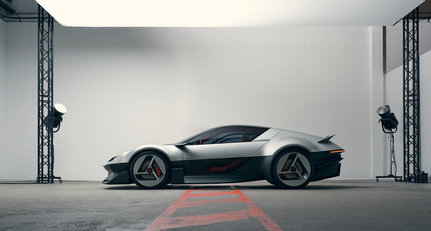
Opened in 1988 next to the historic manufacturing plant, the Musée de l'Aventure Peugeot traces the rich industrial history of the world's oldest surviving car manufacturer. While covering diverse origins like tools, bicycles, and coffee mills, the core focus remains on automotive evolution. The expanded motorsport department is the highlight of the exhibition and brings visitors face-to-face with legendary champions, including the 405 Turbo 16 Pikes Peak, the 406 STW in its distinctive Hasseröder livery, the Le Mans-winning 905, and the desert-conquering 205 Turbo 16 Grand Raid. Additionally, the museum showcases radical design studies and prototypes from different eras. Among these are the mid-engined V12 Peugeot 907 and the recently returned 1984 Peugeot Quasar, which features a striking glass canopy and a twin-turbocharged heart.


Musée National de l'Automobile, Mulhouse, Alsace
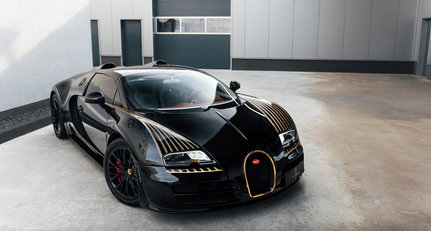
The Musée National de l'Automobile in Mulhouse is a true monument to automotive gigantism, born from the obsessive collecting of the textile barons Fritz and Hans Schlumpf. This historic wool spinning mill was transformed into a 17,000-square-meter sanctuary illuminated by hundreds of ornate Parisian-style streetlamps. The exhibition thrives on a fascinating contrast, documenting the democratization of cars via early pioneers like Panhard and De Dion-Bouton alongside an unparalleled celebration of extreme luxury. The heart of the collection is the world's largest Bugatti collection, spanning from the Veyron to two mythical Type 41 Royales, including Ettore Bugatti's personal Coupé Napoléon. This tribute to high performance is capped off by a theatrical racing department arranged as a starting grid, where motorsport milestones like the aerodynamic 1923 Bugatti Type 32 and the thunderous 1937 Mercedes-Benz W125 sit alongside bespoke luxury carriages once favored by international icons like Charlie Chaplin.

Citromuseum, Castellane, Haute-Provence
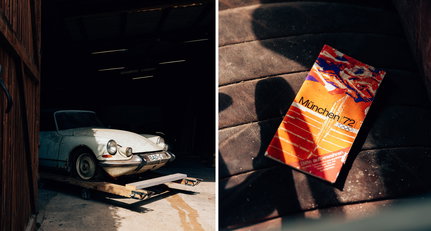
Since the official Conservatoire Citroën north-east of Paris closed its doors in summer 2024, the Citromuseum in the hills of Haute-Provence has become the ultimate alternative pilgrimage site for double chevron enthusiasts. This impressive collection is the result of a forty-year passion, displaying over 125 postwar Citroëns across 2,500 square meters. The curator focuses strictly on low-mileage vehicles in highly original condition, with odometers averaging just 20,000 kilometers and most cars preserving their factory paint. The museum is structured into three distinct zones. One hall is dedicated to the Traction Avant and DS, another features the 2CV and Type H vans, and the final section covers youngtimers from the GS and SM to the CX and XM. The crown jewel is the oldest surviving commercially sold DS, ordered on the very first day of the 1955 Paris Motor Show.

Musée Automobile Reims Champagne, Reims, Champagne
Based on the historic collection of designer Philippe Charbonneaux, the Musée Automobile Reims Champagne showcases around 250 vehicles, including passenger cars, motorcycles, commercial vehicles, and vintage toys. The exhibition focuses heavily on regional heritage and the everyday classics that originally mobilized the French public. Visitors can admire iconic mass-market models like the Citroën 2CV, Renault Dauphine, Peugeot 203, and various Simcas. Motorsport history and the famous Circuit de Reims are also celebrated through race cars and homologation models. Additionally, a significant portion of the museum documents the development of utility vehicles. The display is completed by rare early pioneers from historic French brands like De Dion-Bouton and Chenard and Walcker, alongside highlights from the golden era of French luxury carmakers like Panhard & Levassor and Delahaye.
Photos: Manoir de l'Automobile, Citromuseum, Musée Automobile Reims Champagne, Mathieu Bonnevie for Classic Driver, Alexander Lutz, Alexis Toureau for Musée National de l'Automobile, Maria Labzae for M24 Motorsport Museum