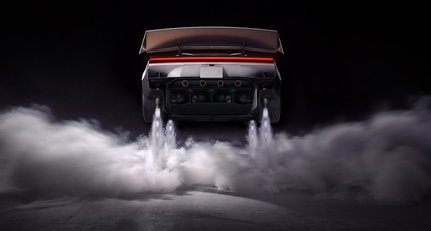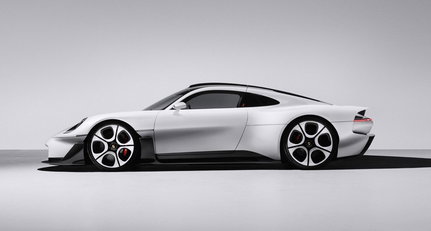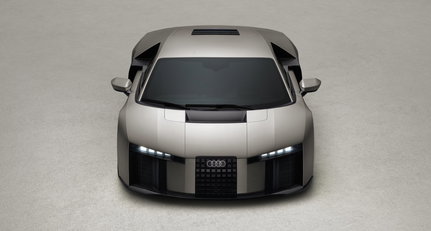







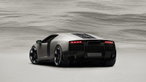
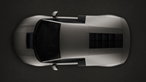
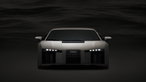
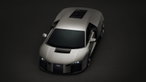
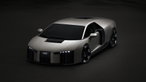


Roughly two years after the end of R8 production, Audi has unveiled a new supercar at the Monaco Grand Prix. It can hardly be described as a spiritual successor, as it is more extreme in every aspect and replaces the pure, naturally aspirated V8 and V10 engines with a new and heavily electrified powertrain concept. The Nuvolari is not just a design study but a genuine production model that moves Audi into a new performance dimension with its hybrid drive and 1,001 hp.
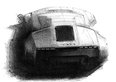
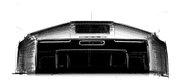
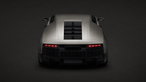
The vehicle translates the clean, Bauhaus-inspired design language of the Concept C, presented at last year's IAA, into series production — executed in a significantly more aggressive manner that even echoes the Lamborghinis of the 2000s at the rear. The car owes its name to Tazio Nuvolari, one of the most prominent figures in motorsport history, who was known for his fearlessness and single-minded determination and won several Grands Prix in the difficult-to-control, rear-engined Auto Union race cars in the late thirties.


The mid-engine layout dictates the monolithic proportions and powerful stance of the vehicle, embodying Audi's latest design philosophy. Coated in the signature Titanium paint shared with the brand's Formula 1 race car, its taut surfaces are defined by integrated active aerodynamics. For the first time, Audi combines its Space Frame technology with a full carbon fibre exterior developed using Formula 1 expertise. Complex elements like a concealed S-duct optimise airflow through the body, while forged centre-lock wheels make their production debut.
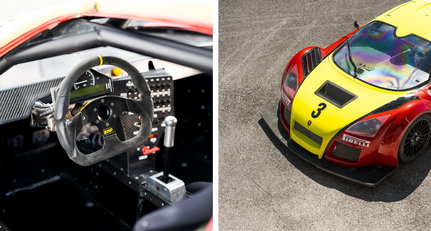
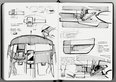
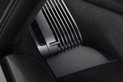
Inside, the driver-centric cockpit features a reduced architecture that concentrates entirely on the act of driving. Digital displays and physical controls follow a consistent logic, while the colour accents of the human-machine interface pay tribute to the legendary 1930s Auto Union Type C race cars. The cabin is divided into two functional zones: a deep, dark tone upfront to support driver concentration, and a lighter Shadow Dune finish in the rear. Lightweight carbon fibre seats reduce weight while providing necessary lateral support.

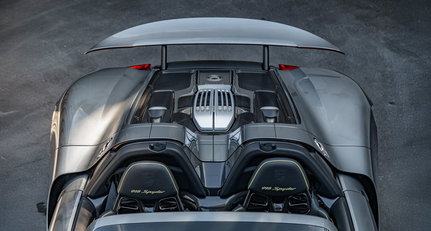
The high-performance hybrid powertrain combines four drive units to generate a maximum system output of 1,001 hp. At its core is a 4.0-litre V8 biturbo engine delivering 800 hp and reaching up to 10,000 rpm, a range usually reserved for motorsports. This combustion engine is paired with a 7.3 kWh lithium-ion battery and three axial flux electric motors. Two oil-cooled units at the front axle provide up to 2,150 Nm of torque, driving a predictive all-wheel-drive system with variable torque vectoring. A third electric motor is positioned between the mid-engine and the transmission to complete the setup.
This technical configuration enables the Nuvolari to accelerate from zero to 100 km/h in 2.6 seconds and to 200 km/h in 6.8 seconds, before reaching a top speed of over 350 km/h. To manage these dynamics, an active rear wing inspired by Formula 1's drag reduction system automatically adjusts downforce, generating over 400 kg of downforce in performance modes. Deceleration is handled by a Ceramic Pro brake-by-wire system capable of managing loads up to 2.8 megawatts.


Production of the supercar is strictly limited to 499 units worldwide, with customer deliveries scheduled to begin in the first half of 2027 and official pricing not yet disclosed. Ultimately, the Nuvolari arrives at a critical moment for the brand. It serves as a desperately needed image builder and a definitive halo car, demonstrating Audi's technical expertise by transferring track innovations directly to a road-legal production model, while rediscovering the design clarity and strength that once defined the brand.
Photos: Audi AG