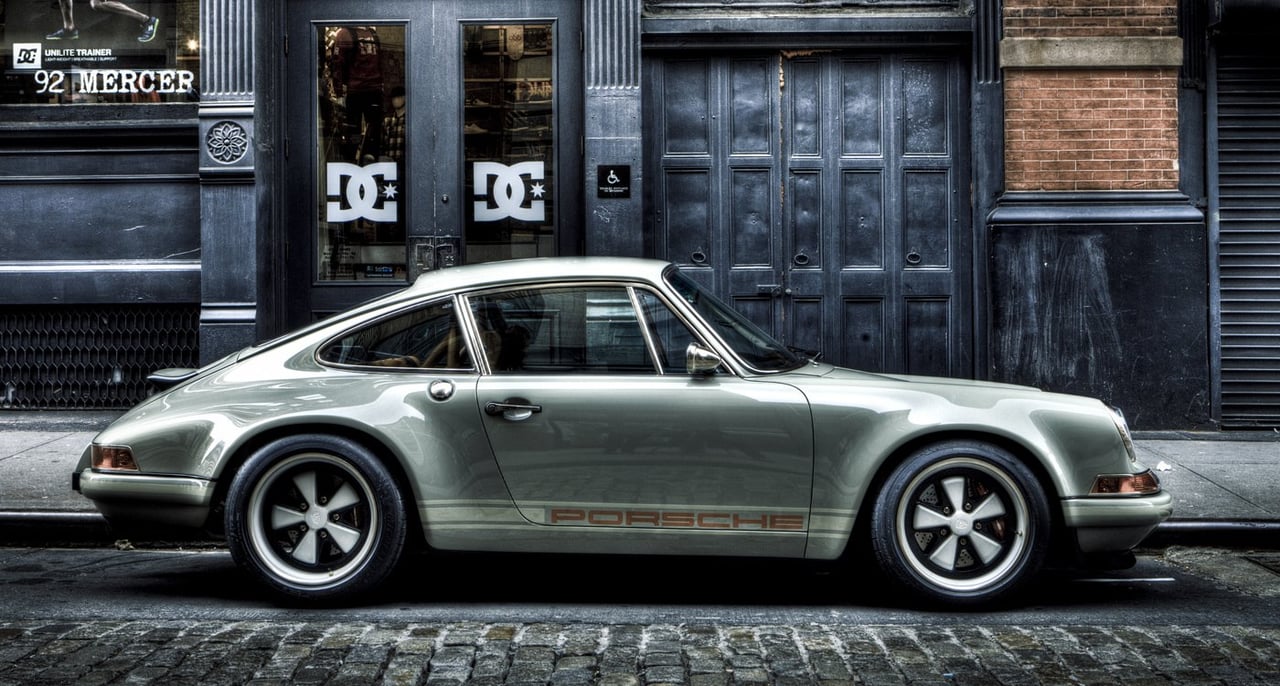
Urban music: 911 re-imagined by Singer in New York
With varying degrees of success, Formula 1 has regularly updated its rules to encourage the close competition which has made the sport so thrilling over the decades. On a season-to-season basis, the changes are often imperceptible in visual terms – but looking over a broader chronological spectrum demonstrates just how far the sport has come. Take, for example, the Ferrari Lancia D50 that somehow managed to do without any aerodynamic addenda; unthinkable at even the lowest levels of racing in modern times.
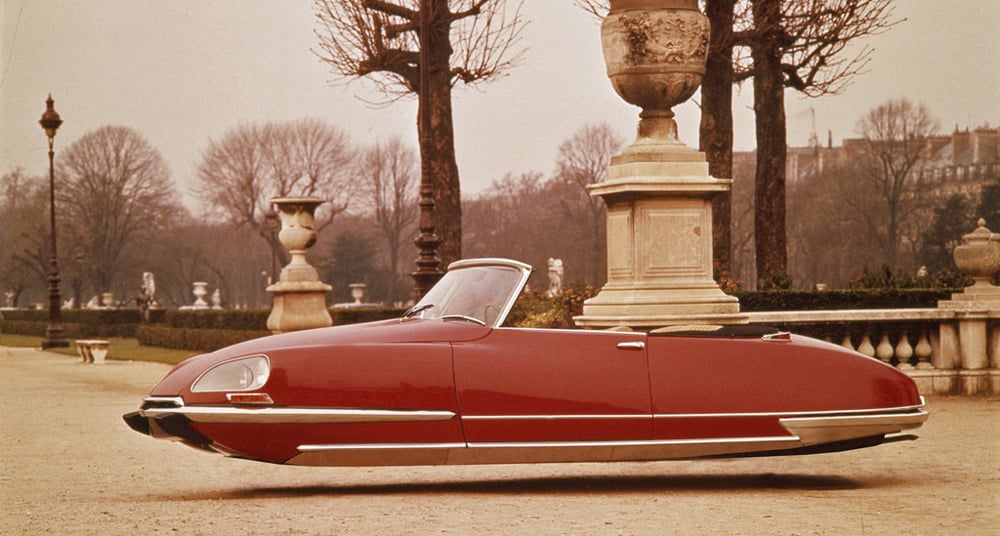
With the DS, Citroën created a goddess on wheels (the common nickname derives from the fact that 'DS' in French is pronounced the same as 'Déesse', which means goddess). Not only was she heavenly in aesthetic terms, the DS was also a technological godsend. Then, some years after the French beauty’s introduction, Porsche released the venerable 911. Though essentially polar opposites, each car was considered a highlight of automotive design, and perhaps this was the inspiration for a project undertaken by the team of ‘visual communication experts’ at Brandpowder.
Of course, it’s BMW that’s famous for its art cars – but it’s a wonder that the idea wasn’t pioneered by a French manufacturer, given the country’s fondness for flair and fancies.
"This is where the greatest cars come to be sold" - Gregor Fisken
While many classic car dealers specialise in the products of a particular marque or country, the diverse array of machinery offered at Fiskens’ mews showrooms rather suggests a focus on the highest quality cars, regardless of origin. Pre-War Bentleys and Invictas mingle with more modern heroes, such as a Porsche 959 and a Bugatti EB110SS; and a strikingly beautiful Bizzarrini completes the eclectic scene.
The successful W123 series still proves exceptionally popular today, especially in classic car circles. Introduced at the 1977 Frankfurt Motor Show, the Touring model – Mercedes’ first station wagon – played a pioneering role in defining the ‘lifestyle’ segment that has become so vital to the European car industry.
The ‘T’ in the name stood for Touring and Travel
During the 1920s, Meo Costantini headed the Bugatti race team and was a close friend of Ettore Bugatti. He also had no small success behind the wheel, twice winning the gruelling Targa Florio piloting a Bugatti Type 35. The unique blue paintwork on this special-edition Veyron commemorates that classic French racing car. Other exclusive details include contrasting polished aluminium body panels, and laser engravings of Costantini’s signature on the fuel/oil filler caps and the legendary Targa Florio race route adorning the rear spoiler.
According to Jaguar, the production-ready F-type Coupé is almost unchanged from the C-X16 Concept which was introduced at Frankfurt in 2011 – although it’s unlikely that its hybrid drive system will be available at launch in spring next year. Further details about the car have been held back, so we’ll have to wait a little longer to find out what makes it “the most dynamically capable, performance-focused, production Jaguar ever.”
Photo: Jaguar
Polanski chose Rosso Chiaro paintwork and sophisticated black leather upholstery for his Ferrari, which was originally to be a ‘standard’ GTB, although he later re-ordered it as a GTB/4 (with the highly desirable four camshafts). We particularly like the fact that under the ‘accessories’ section on the original order form, he casually added a Mini Cooper S 1275cc. Sadly, this useful little add-on was dropped on his final order.