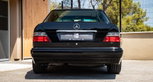
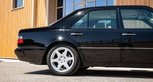
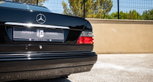
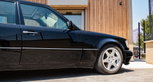
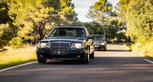


Since AMG officially became part of the Mercedes-Benz empire, the character of the performance specialist from Affalterbach has shifted significantly. Today, their internal combustion models are primarily known for their aggressive appearance and almost vulgar exhaust notes. Even their all-electric debut, the new GT 4-Door Coupe, recently alienated traditional customers with its massive "grille" and styling that is atypical for Mercedes. Back in the eighties and nineties, however, those three letters stood for effortless, subtly packaged performance under the three-pointed star.
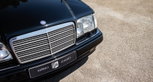
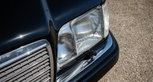
The 500 E, which became the E500 in 1993 and was developed and manufactured in cooperation with Porsche, represented these traits perfectly. The timelessly elegant and exceptionally unobtrusive W124 sedan designed by master stylist Bruno Sacco received only minor visual modifications, while a five-liter, 326 horsepower V8 engine was transplanted under the hood. Introduced in 1990, this executive car became a true wolf in sheep's clothing and the undisputed king of the autobahn.


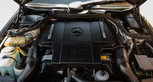
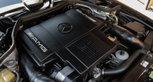
Yet this was not the absolute limit. For even more demanding clients, AMG offered the AMG technology package with the code 957 starting in 1994. Upgrading the most powerful E-Class involved boring out the V8 engine to 6.0 liters, which increased output by 55 horses to a total of 381 horsepower. However, this official figure was a conservative one, as output varied noticeably from car to car — on the dyno, the E60 was occasionally found to produce more than 400 horsepower. Enthusiasts suspect that Mercedes kept the official figures modest in order to maintain a respectful distance from the more prestigious 600-series V12 engines fitted to the W140 S-Class and the SL.
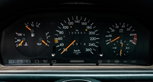
Thanks to this powerful drivetrain, the stately sedan sprinted from zero to 100 km/h about half a second faster than the E500, reaching the mark in just 5.6 seconds. Electronics limited the top speed to 250 kilometers per hour, though the drivetrain was theoretically capable of much more.


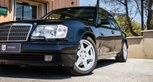
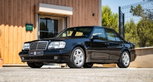
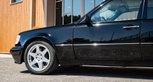
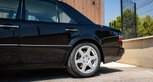
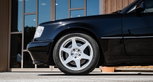
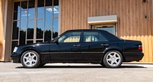
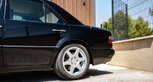
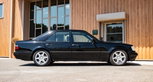
The technology package also featured a sharpened AMG suspension to ensure the W124 could safely deploy its extra power, along with a revised rear axle ratio and an upgraded braking system. The rear brakes utilized components borrowed from the SL 600. Visually, the E60 was distinguished by new 17-inch wheels and a subtle body kit that enhanced dynamics while optimizing cooling for both the large-capacity V8 and the brakes. In terms of aerodynamics, the W124 was already a pioneer with its drag coefficient of 0.29. While the flared fenders of the 500 E and E60 slightly compromised this figure, the top-tier version still performed marginally better than the contemporary BMW M5 (E34).
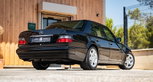
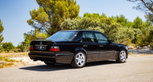
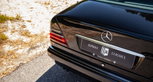
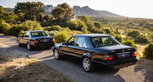
The 6.0-liter V8 exhaled through a bespoke dual-pipe exhaust system that perfectly enhanced the sound of the silky smooth, high-torque engine. To this day, the squared-off tailpipes remain one of the most distinctive features of the exceptionally rare E60. Between September 1993 and early 1995, only 100 to 140 units of the E500 left the factory equipped with the 957 package, though the Swabian automaker never released exact figures.


In addition, a few dozen E500s were brought back to Affalterbach by their owners for a retrospective upgrade with the AMG technology package. By comparison, a total of 10,479 units of the standard E500 left the production line, a figure that includes the E60 models. The reason so few buyers ticked the box for the comprehensive AMG package was likely the immense premium of around 34,000 Deutsche Marks, which was enough to buy a brand new 190 Diesel at the time.
This pricing placed the E60 in the territory of contemporary supercars like the Porsche 911 Turbo 964. Fortunately, it backed up this status with outstanding performance. But unlike two-seater sports cars from Porsche, Ferrari, or Lamborghini, it was not flashy at all and entirely unsuited for showing off. Its dark paint options and subtle deviations from the standard W124 ensured that the typical target audience could remain completely inconspicuous.


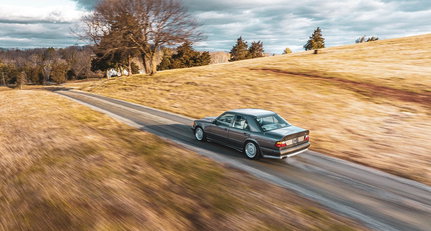
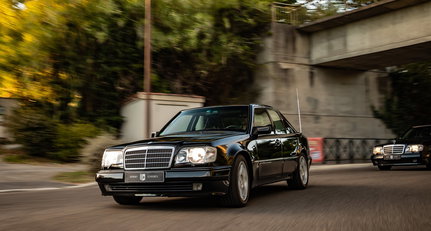
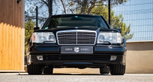
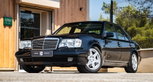
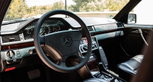
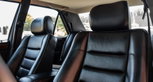
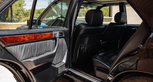
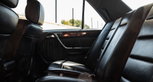
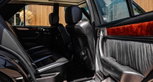
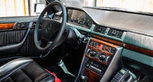
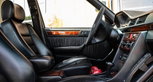
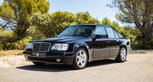
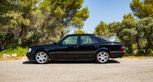
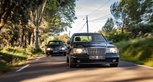
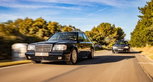
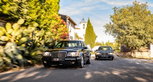
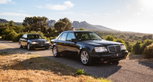
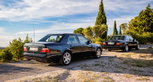
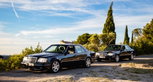
It is hardly surprising that this particular E60, now offered by Asphalt Classics, was originally delivered new in Hamburg back in November 1994. Its strict understatement perfectly matches the reserved nature of the local Hanseatic culture. The original owner chose an elegant black paint finish paired with an anthracite leather interior, further emphasizing this low-key approach.
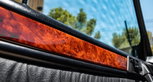
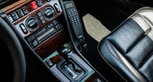
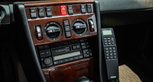
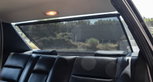
When going through the options list, the first owner, a Hanseatic businessman and politician, made zero compromises. The vehicle was equipped with an electric sunroof, heated memory seats, an Alpine CD changer, and an automatic rear window blind. The flagship of the W124 generation comes with a fully traceable history and spent its life between Hamburg and Cologne. The iconic V8 sedan was maintained exclusively by brand specialists or directly at AMG.


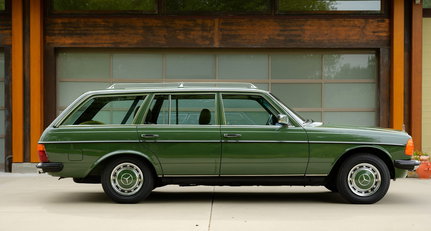
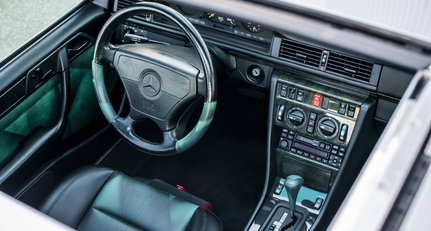
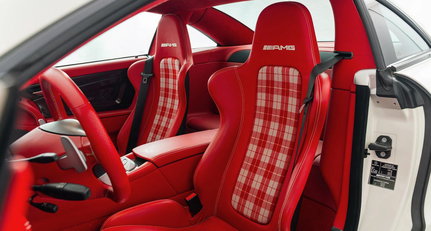
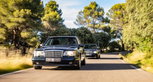
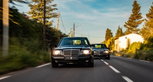
Over the past decade, the car underwent a partial restoration and a complete drivetrain overhaul by Mercedes' own performance division. Genuine E60 models rarely surface on the market — European examples in particular are scarce, while Japanese re-imports are more commonly found — making this a rare opportunity to experience the pinnacle of the legendary W124 lineage. That Asphalt Classics — a company founded by a native of Hamburg, based in both the Hanseatic city and Provence, and active internationally — knows the model inside and out is evident from the E60 Limited placed next to the car during the photoshoot. Identifiable by its patterned leather upholstery, fewer than fifty units of this special edition were ever built, making it something of a holy grail for W124 enthusiasts — and it has been part of Asphalt Classics owner Tobias Scheffler's private collection for a decade.