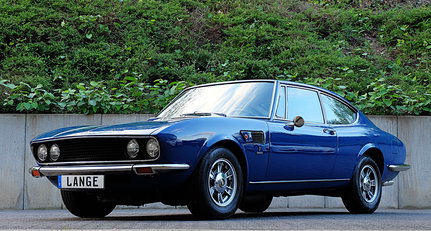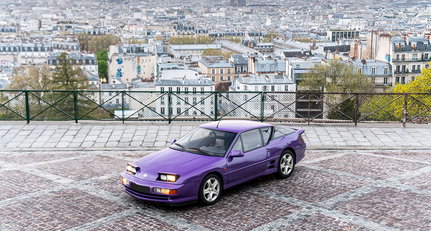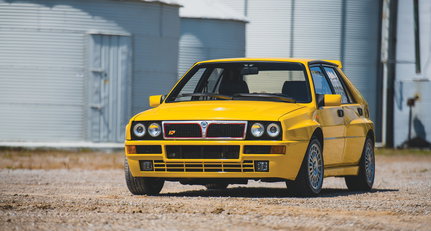
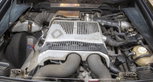


Alpine had high hopes for the A610 and wanted, among other things, to lure a fair few buyers away from the 964-generation Porsche 911. At heart, though, the coupé was an evolution of its predecessor, the Alpine GTA, and that evidently wasn’t enough for many potential customers. Just 818 A610s were built in Dieppe between 1991 and 1995, all powered by the same 250 PS 3.0-litre turbocharged V6 from the PRV engine family. Price played its part too: at around 396,000 francs at launch, the low-slung coupé from Normandy was cheaper than the most affordable Porsche 911, but slightly more expensive than a comparable Porsche 968.

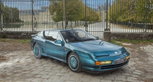
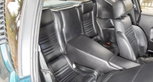
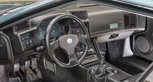
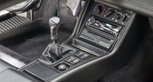
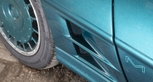
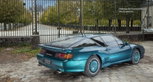
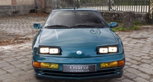
After the new model’s disappointing start, Alpine tried to boost sales with special editions. One of them was the A610 Magny-Cours, which the Renault subsidiary unveiled in June 1992 as a tribute to Nigel Mansell’s 1991 French Grand Prix victory at the circuit of the same name. It is easy to spot thanks to its unique pearlescent green paint, which extends to the wheels, and the Magny-Cours lettering on the doors and sill plates. Inside, the edition came as standard with black leather, a numbered plaque and a CD player. At 449,500 francs, it cost 33,000 francs more than the regular A610, which was listed at 416,500 francs in 1992.

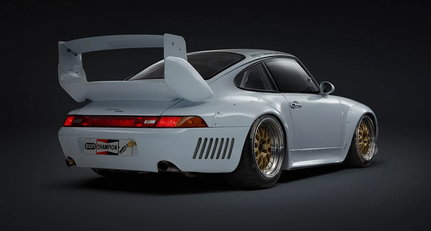
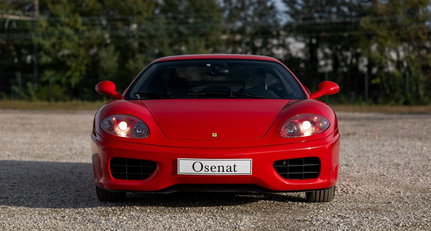
With just 31 built, the Magny-Cours is even rarer than the 964-generation Porsche 911 Carrera RS 3.8, of which only 55 road cars were made in 1993. But while the lightweight icon hand-built in Weissach can now fetch more than a million, the pearlescent green French car can be had for a fraction of that. Auction house Osenat will offer car number 15 at its Youngtimers sale during Époqu’auto in Lyon on 7 November, with an estimate of 40,000 to 65,000 euros. The reasons for the gap are easy to find: the A610 was a sales flop and never escaped the shadow of the 911. Its PRV V6 was a mass-produced engine also found in family saloons such as the Renault 25 and Peugeot 605, and its build quality was no match for Porsche’s. On top of that, Renault shelved the Alpine name for more than two decades after production ended in 1995, so there was no brand hype to drive up values.
 Chassieu, 7 Nov