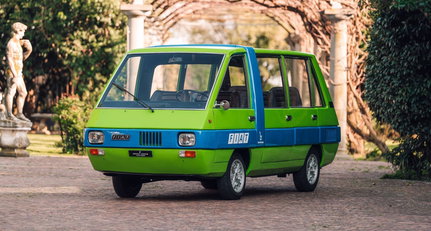
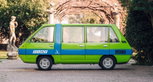
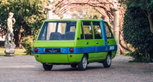
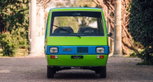
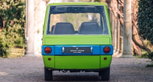
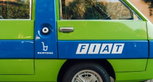

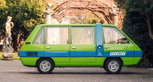
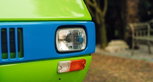
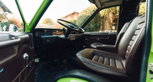
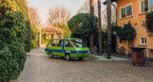


At the 1975 Turin Motor Show, the visually most outstanding creation wasn’t a sleek supercar, but a futuristic minibus. Designed by Marcello Gandini at Bertone, the Fiat Visitors Bus was a masterclass in modernist industrial chic. It was created to turn a simple factory tour into a lofty and light-drenched experience, bridging the gap between humble commercial vehicles and the innovative aesthetics of 70s Italy.
The project was sparked by an idea of Fiat president Gianni Agnelli. During the 1970s, as he expanded Fiat’s network of factories, Agnelli commissioned a series of vehicles to transport high-ranking industrialists and politicians through his modern industrial facilities. The program began with customized Fiat 600 Multiplas and evolved into the 850 T Familiare, but Agnelli ultimately desired something far more comfortable and forward-thinking.


He turned to Bertone, where Gandini, the visionary behind style icons like the Lamborghini Miura and Countach but also more affordable passenger cars like the Citroën BX, applied his genius to the minibus format. Although based on the Fiat 850 platform, the result was a six-door statement that transformed a mundane visit into an event with lasting memories.
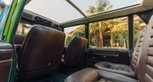
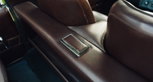
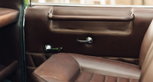
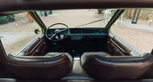
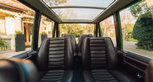
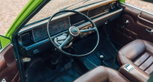
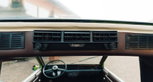
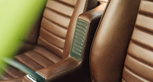
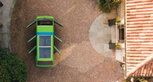
The defining feature was the spectacular and closable Plexiglas panoramic roof, offering guests unhindered views of the factory’s architecture. The unique six-door layout allowed for effortless entry into an interior with six individual seats. To ensure passenger comfort regardless of the season, the bus was equipped with a specialized dual air conditioning system, which was quite a rare luxury feature at the time.


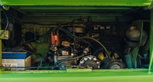
Underneath the elegant Bertone body, the bus remained perfectly suited for the Fiat campus. It utilized a rear-mounted 843-cc four-cylinder paired with an Idroconvert four-speed semi-automatic transmission, ensuring enough power to glide through the heart of the automotive empire at modest speeds. Bertone even intended the Visitors Bus to replace the 850 Familiare as a production model in a slightly less radical form, an ambition that ultimately never materialized.
While Fiat never disclosed official production numbers, it is believed that no more than six units were built, with this 1976 example, chassis 345355, being one of only two thought to survive today. Registered in 1977 directly to Fiat S.p.A. at the legendary Corso Giovanni Agnelli 200, it served precisely as intended: hosting VIPs in absolute style. This extraordinary piece of Italian history will be auctioned off by Broad Arrow Auctions on May 16, as part of The Concorso d'Eleganza Villa d'Este Auction.
 Cernobbio, 16 May