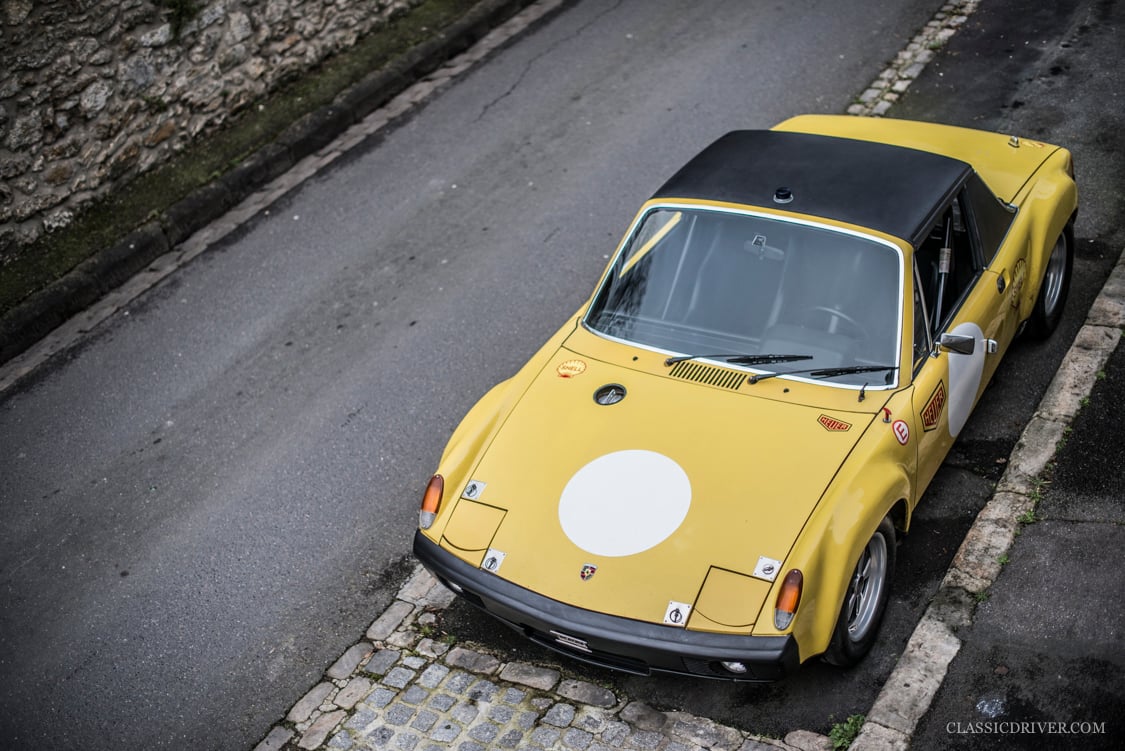
The Porsche-built racing car that didn’t race for 34 years
Waiting in the wings
In so doing, Alpine will join a list of manufacturers that includes Aston Martin, Mercedes-Benz and Chevrolet-Chaparral in creating a no-constraints concept car built purely for the virtual world.
Following the announcement that 2015 will be the legendary Defender’s final year (and that it will see the launch of three special-edition models), Land Rover has built a faithful recreation of the Series 1 production line as part of a new ‘Defender tour’.
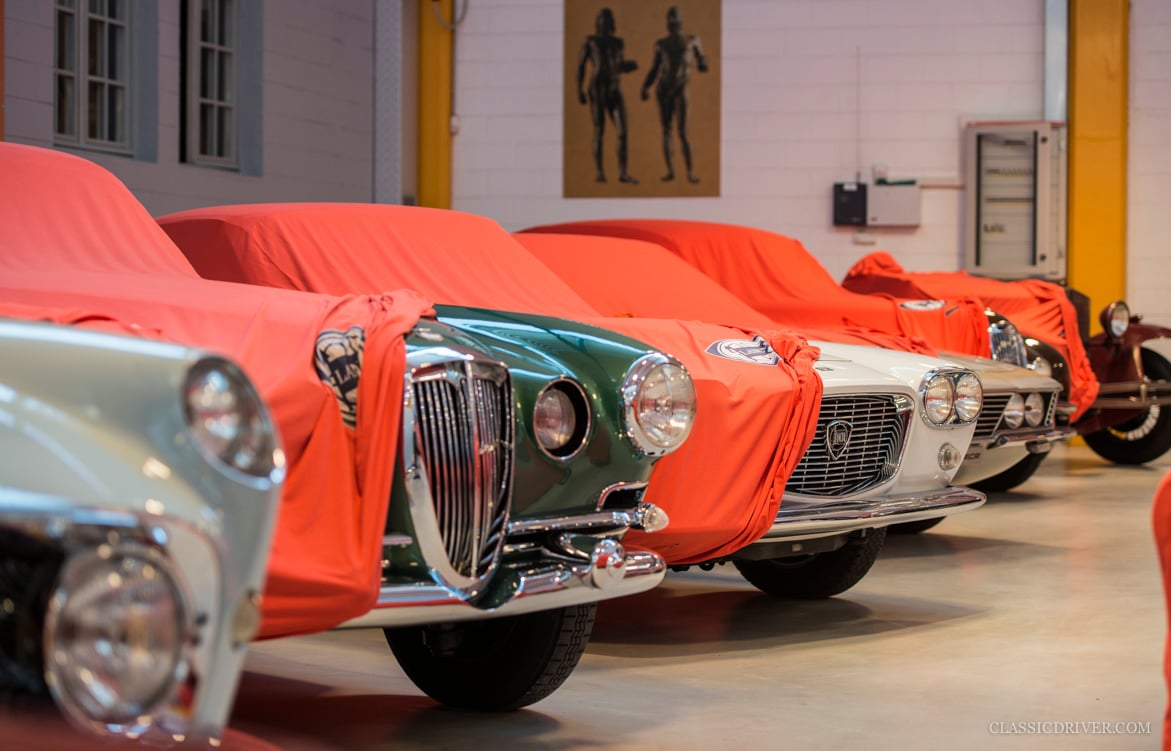
Some of our choices are yet to be recognised by the market; the remainder are on the upswing but still within the reach of a realistic purchaser. Investment potential aside, the Classic Driver selection focuses on those that provide the most style and fun for a reasonable outlay.
If the early 70s was a peak in terms of automotive design, then the following half-decade was certainly a trough. By this time, the effects of skyrocketing oil prices and over-sensitive safety laws had handicapped the creative pensmiths, hence the slump into an era of rubber bumpers, cheap plastics and uninspired aesthetics. But clearly, no one had informed Gandini: he was still in Bertone’s small Turin studio drawing up impossible, wedgy concepts. Brown ones.
From the 1950s onwards, Bouvot worked on Peugeot’s new small saloons and coupés but, after closing time, his wish was to drive home in something more sporty. He’d already owned many Ferraris and, by the end of the 1960s, he had his eye on a new Ferrari 275 GTB/4. Bouvot was well-connected, so asked his Italian friend Sergio Pininfarina – who had designed several cars for Peugeot – whether he could quickly source him such a car. However, before the Turinese designer had the chance to look, Bouvot snapped up a Lamborghini Miura – penned by Pininfarina’s rival Bertone, of course.
Alpine’s founder Jean Rédélé was a visionary. His competition success with a modified Renault 4CV in a variety of events (including the Mille Miglia and Coupe des Alpes) in the early 1950s spurred him on to create his own cars, ones that he hoped would prove themselves not on sales, but on motorsport merit. When the A110 was revealed at the 1962 Paris Motor Show, few could have guessed at the impact it would have on the world of rallying. Rédélé’s vision was to become a reality.