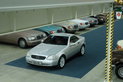
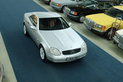
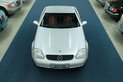
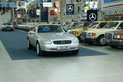
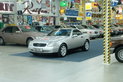
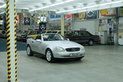
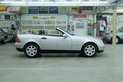
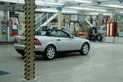
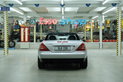
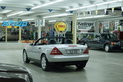
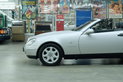
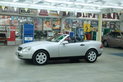
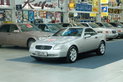
1996 Mercedes-Benz SLK
SLK 230 Kompressor-
Year of manufacture1996
-
Mileage28 010 km / 17 405 mi
-
Car typeOther
-
Chassis numberWDB1704471F003614
-
Engine number111.973-10-001334
-
Lot number032
-
Reference numberhg_ffd977417840
-
DriveLHD
-
ConditionUsed
-
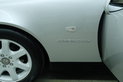
Exterior brand colourBrilliant Silver Metallic
-
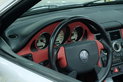
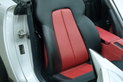
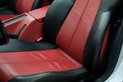
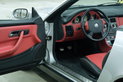
Interior colourRed
-
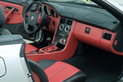
Interior brand colourLeather two-tone (red)
-
Interior typeLeather
-
Location

-
Exterior colourSilver
Description
Classic color combination
Delivered new to the Netherlands
Odometer reads only 28,010 kilometer
Chassis no.: WDB1704471F003614
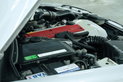
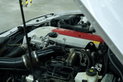
Engine no.: 111.973-10-001334
Production no.: 2503446
Paint: 744 Brilliant Silver Metallic
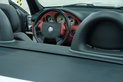
Interior: 227 Leather two-tone (red)
Factory options:
309 Cupholder
441 Steering column, electrically adjustable
512 Radio MB Special with traffic news decoder (VK), with RDS
580 Air conditioner/Tempmatic
873 Seat heater for left and right front seats
988 Ownership certificate and COC papers with EC model plate
Provenance:
28/01/1997 – Unknown, NL
06/12/2007 – PJ Vos, Druten, NL
28/01/2024 – WA Voermans, Afferden, NL
21/05/2025 – Metropole, Druten, NL
Documents:
Dutch Kentekenbewijs (2025)
Dutch Kentekenbewijs (2024)
Dutch Kentekenbewijs (2007)
About the model line:
W 170
With the introduction of the SLK in 1996, Mercedes-Benz opened an entirely new chapter in its roadster history. For the first time since the 190 SL, the company once again offered an open two-seater below the flagship SL. Yet the R170 was never intended to be merely a smaller SL. Its mission was to combine the charm of a classic roadster with the everyday practicality of a coupé.
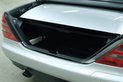
The solution was as simple as it was ingenious. Instead of a roof, Mercedes- Benz developed a two-piece folding steel hardtop that disappeared completely into the boot in just 25 seconds. At the touch of a button, the Coupé became a roadster—and back again. Known as the Vario-Roof, the system effectively gave owners two cars in one and quickly became the defining feature of the model. Before long, numerous manufacturers would follow Mercedes-Benz’s lead.
Stylistically, the SLK followed its own path. Chief Designer Bruno Sacco drew inspiration from the larger SL, interpreting its design language in a far more compact and athletic form. Short overhangs, a long bonnet and a cockpit positioned well to the rear created the classic proportions of a traditional roadster, while the broad front end and distinctive grille gave the smallest Mercedes sports car a confident presence of its own.
Initially, the engine range consisted of supercharged four-cylinder units and refined V6 engines. The greatest attention, however, centred on the SLK 230 Kompressor. Its mechanically driven supercharger delivered performance previously associated with much larger engines. A comprehensive facelift in 2000 brought updated styling, revised engines and numerous technical refinements.
Customers embraced the concept with remarkable enthusiasm. The SLK captured the spirit of its time and quickly became one of the world’s most successful roadsters. By the end of production in 2004, well over 300,000 examples had been built. Mercedes-Benz had demonstrated that driving pleasure, comfort and everyday usability could coexist beneath a folding steel roof. The R 170 was never simply a smaller SL—it established an entirely new model family of its own.

Watch our latest YouTube videos
More Listings related to Mercedes-Benz SLK


Recommended Listings


