






This is an expensive passion
Today there are collector / enthusiast classes for every conceivable product category yet it's more than just the things we collect, cars, that make us different from others, it's spend. Given that cars deteriorate whether driven or sitting still, we understand that we will need to spend to maintain, but just how much do we spend?
From the best data I could find it's estimated that we spend on average 2% to 4% of the asset value or our cars (annualized) to just maintain their condition - more if you are funding a major project or restoration, and even more if you factor in holding costs of insurance, finance and storage. I looked back at my receipts and found that estimate to be in range. For the more expensive cars I have I was closer to the lower end of the range, for the less expensive cars the maintenance costs were on the higher end of the range. The longer I've owned a vehicle the more this range held true.
Now lets compare that to other asset classes. If you're a watch, art or wine collector you would have a difficult time spending more than 1% of your asset value each year just to maintain their condition. If collector cars are just financial investments for you, I'd like to remind you that you likely spend less than 1% a year for wealth management of your investment portfolio.
So we spend an order of magnitude or more on our hobby than others, and the reality is that it really can not be avoided. An under invested poorly maintained car either spirals into more expensive repairs, or a material market price discount if you plan to sell. An appreciating market value may mask that discount, but it is there nonetheless.


We expect a return, but admit we could do better to achieve it
I spoke to lots of owners of all types, ages and scale and what I learned is that "return" is best described as a spectrum. At one end it's measured in pure financial terms. At the other end is the purely experiential value a car provides. The tail ends of this spectrum are thin, the bulk of us are somewhere in the middle: experience and managing financial value.
Turns out, being great at managing for experience (aka maintenance and project planning so your car is ready when you want it) and optimizing financial return (measuring your investment, positioning for a premium sale price) are challenging to achieve for pretty much all of us.
Why? A few reasons often came up.
First, "it's all up to me" to oversee what I need to do, when I need to do it. Even for those who had professional staff managing the collection, the challenge was just passed downstream. Secondly, the knowledge gap. Information is often scattered in various places and formats or just wasn't known. And third, the effort is ad hoc at best. I witnessed everything from post-it notes to clipboards, to spreadsheets trying to keep track of vehicle needs and status.
So owners are getting a return, but maybe not as great as they could, or as easily as they would like.

With a little effort can come better returns
After hearing all of that, and experiencing my own challenges with management of my cars, I figured we could build something to help here, so we built CARPORT to empower owners to more easily manage their cars, their priorities, and that should lead to better returns, financial or otherwise. In the past 3 years we've seen just that, owners of all sorts of cars, from all corners of the world, managing and caring for their cars.
The fundamentals of easier management and better returns are simple:
1. Know what was done, and when. Your past receipts are holders of knowledge. Consolidate them from all your service providers, digitize them so they're searchable and tallied so you can track your spend.
2. Know what is needed, and when. Understand the important maintenance items for your vehicle and set reminders for when they actually need to be addressed based on your usage habits.
3. Know your specs. When it's time to replace consumables such as oils, fluids, tires and batteries, be sure to know what to replace them with.
4. Document, document, document. Sure it's handy to have digital copies of your important documents, but it's even more important for you to build the story of your car. Past owners, key events, restoration documents etc.. Build the provenance story of your vehicle because vehicles are priced on condition and documentation.


All of this can help your be ready for more experiences and when the time comes, help you earn a better financial return because you can demonstrate why your car should earn a premium over others.
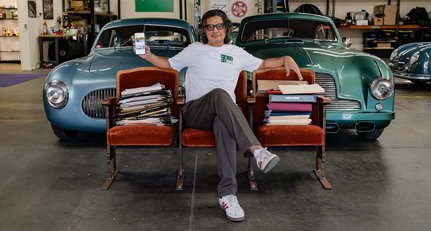
If you'd like to see more of Teej's car collection, you can do so here.