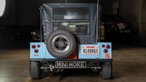
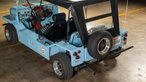



1966 Morris Mini Moke
-
Year of manufacture1966
-
Mileage46 087 mi / 74 170 km
-
Car typeOther
-
Lot number101
-
Reference number6865
-
DriveLHD
-
ConditionUsed
-
Exterior brand colourother
-
Location

-
Exterior colourOther

Description
Chassis No. M-AB1L-921354
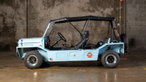
In January 1964, the first ten Mini Mokes left the factory as Austins bound for Papua New Guinea and Singapore. BMC had working prototypes by 1959, designed by Alec Issigonis and John Sheppard as a lightweight vehicle the British Army could drop by parachute. It used the Mini's engine and transmission in an open steel body, but low ground clearance and modest power kept the Army from adopting the Moke.
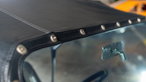
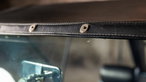
Civilian buyers found other uses. The Mini's transverse engine and transmission sat in a flat steel body with an optional fabric top, and the Moke became a fixture in St. Tropez, Barbados, and on Australia's Magnetic Island. It went racing too. John Player & Sons ran a team of Mokes fitted with 1,275-cc Cooper S engines in grass-track autocross through 1968.
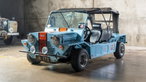
According to its British Motor Industry Heritage Trust Certificate, this Moke was ordered new in sun soaked California. It completed production on 1 November 1966 in left-hand-drive North American export specification, finished in Old English White with Green trim and a low-compression engine and without a heater. Three days later it was dispatched to Los Angeles, a city where a heater would hardly be missed, for delivery through BMCD Limited.
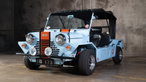
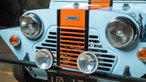
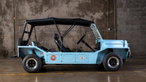
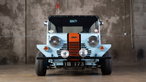
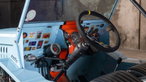
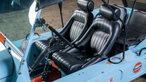
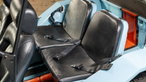
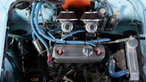
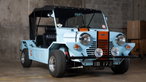
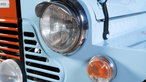
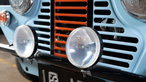
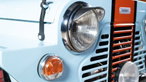
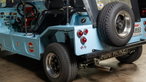
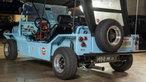
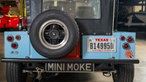
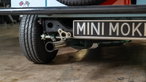
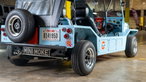
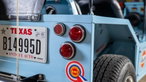
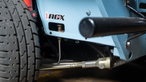
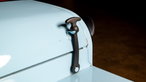
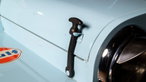
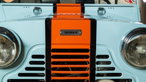
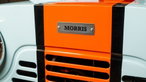
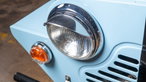
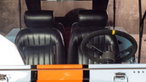
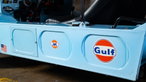
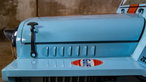
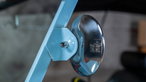
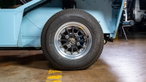
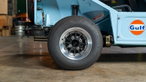
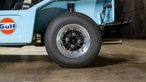
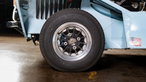
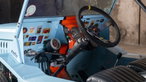
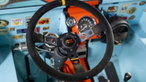
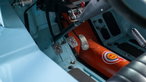
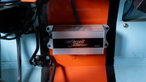
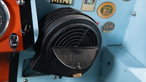
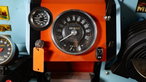
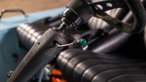
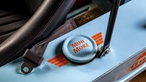
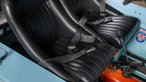
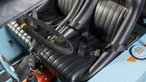
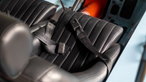
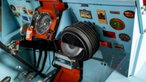
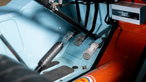
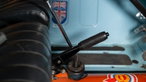
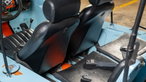
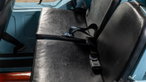
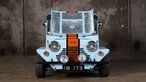
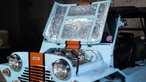
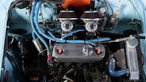
Most recently, JET Motors Mini Cooper Motorsports of Oregon has performed a suite of comprehensive upgrades. Dual SU carburetors, a PerTronix coil, Second Strike ignition, and a MagnaFlow exhaust liven up the engine, cooled by a large aluminum radiator. Underneath are a limited-slip differential, KYB AGX adjustable shocks, and vented front disc brakes, with 10-inch two-piece alloy wheels on Yokohama Advan tires. It now wears Gulf Racing livery and has black leather bucket seats, a Momo steering wheel, a heater, and bumper-mounted fog lights.
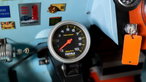
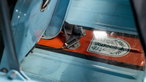
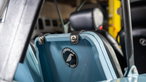
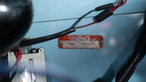
Small enough to thread through a crowded paddock, it makes a perfect support vehicle for a vintage race weekend. The event plaques lining its dash show it has already spent plenty of them doing exactly that, with plenty of room left for its next owner to pick up where it left off and start adding their own.