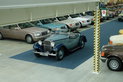
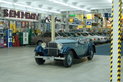
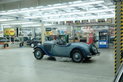
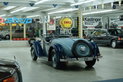
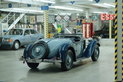
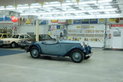
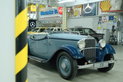
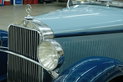


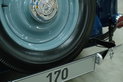
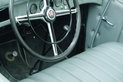

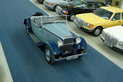
1933 Mercedes-Benz 170
170 Sport-Roadster-
Year of manufacture1933
-
Car typeConvertible / Roadster
-
Chassis numberU96474
-
Engine number101527.177
-
Lot number078
-
Reference numberhg_51a0fedd89c7
-
DriveLHD
-
ConditionUsed
-
Interior colourOther
-
Location

-
Exterior colourOther
Description
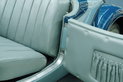
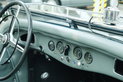
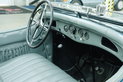
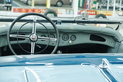
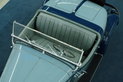
Very rare body style of the 170
A truly charming colour combination
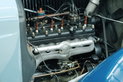
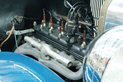
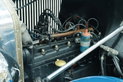
1.7 liter six cylinder engine
For many years with a German collector
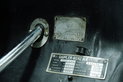
Chassis no.: U96474
Engine no.: 101527.177
Body no.: 807201
Commission N°: 10031
Provenance:
25/11/1933 – Bestellt via A. Schein, Mercedes-Benz Verkaufsstelle, Freiburg im Breisgau, DE
1934 – Paul A. Guetermann, Fabrikant, Gutach im Breisgau, DE
c. 1980 – Dr. Wolf Liestmann, Duisburg, DE
28/04/2008 – RO Car Classic SA, Lissabon, PT
04/10/2025 – Metropole Classic Cars B.V., Druten, NL
Documents:
Dutch Kentekenbewijs (2025)
Portuguese registration papers (2008)
About the model line:
R 15
At the Paris Motor Show in October 1931, Daimler-Benz unveiled the new 170, internally designated W15, surprising both the public and the motoring press. Until then, Mercedes-Benz had been synonymous with large and expensive automobiles. With the comparatively compact 170, the company ventured into entirely new territory. Yet even what Mercedes considered „small“ still embodied the brand’s uncompromising standards.
Technically, the 170 marked a significant milestone. Its newly developed independent suspension with a swing axle at the rear provided exemplary road holding and a level of ride comfort rarely found in cars of its class. Beneath the bonnet lay a newly developed 1.7-litre inline six-cylinder engine producing 32 horsepower—refined, exceptionally smooth and perfectly suited to the dignified motoring style of the period. With a top speed of just under 90 km/h, the 170 was no sports car, yet as a dependable everyday and touring automobile it excelled in every respect, day after day and mile after mile.
The range of body styles was remarkably broad, encompassing saloons, cabriolets, tourers, roadsters and even delivery vans. In doing so, Mercedes- Benz reached customers who associated the three-pointed star with quality but could not afford one of the marque’s prestigious eight-cylinder models. The 170 became the trusted companion of craftsmen, doctors, merchants and civil servants alike. It was never conceived as a status symbol, but rather as a working automobile of exceptional quality. The strategy proved successful. The 170 became a strong commercial success and helped steer Mercedes-Benz safely through the economically difficult years of the early 1930s.
Production of the Type 170 came to an end in 1936. It was succeeded by the more modern 170 V, whose four-cylinder engine would accompany Mercedes-Benz through the remaining pre-war years and well into the 1950s, becoming one of the most important automobiles in the company’s history.

Watch our latest YouTube videos
More Listings related to Mercedes-Benz 170


Recommended Listings


