
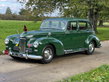
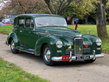
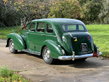
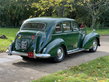
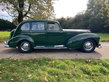
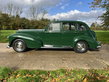
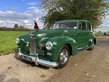
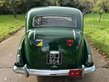
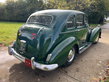
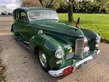

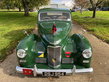
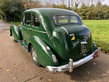
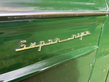


1951 Humber Super Snipe
Mk III-
Year of manufacture1951
-
Mileage23 000 mi / 37 015 km
-
Car typeSaloon
-
Chassis numberA8001462HSO
-
Engine numberMRY73734
-
DriveRHD
-
ConditionRestored
-
Interior colourBrown
-
Interior typeLeather
-
Number of doors4
-
Number of seats4
-
Location

-
Exterior colourGreen
-
GearboxManual
-
Drivetrain2wd
-
Fuel typePetrol

Description
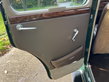
The Humber Super Snipe was a distinguished British automobile that embodied post-war elegance and practicality. Produced by the Rootes Group, the Super Snipe combined Humber’s reputation for refinement with solid engineering, making it a favourite among professionals, government officials, and even military officers. The body was characterized by a long bonnet, flowing lines, and a stately presence on the road. Inside, the car emphasized comfort, with well-upholstered seating, wood veneer trim, and a focus on refinement that set it apart from more utilitarian vehicles of the era.
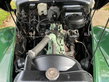
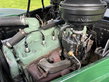
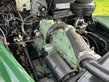
Under the bonnet, the 1951 Super Snipe was powered by a 4.1-litre inline six-cylinder engine, which provided smooth and reliable performance. While not built for high speeds, it delivered sufficient power for long-distance cruising, a feature that made it popular with both private buyers and government fleets. The Humber Super Snipe also enjoyed a role in official and military contexts, where its durability and respectable appearance made it an ideal staff car. It was widely used within the Commonwealth, projecting an image of authority and reliability.
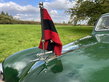
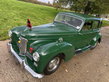
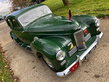
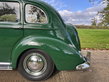
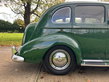
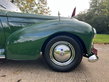
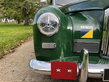
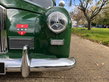
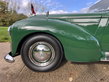
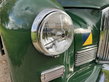
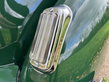
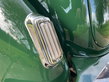
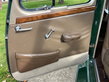
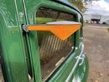
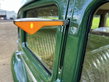
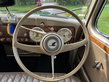
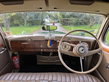
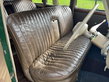
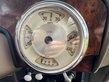
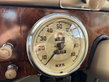
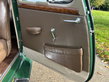
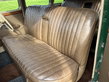
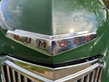
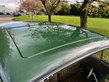
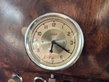
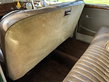
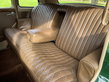
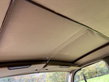
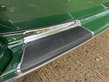
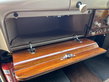
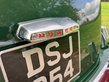
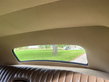
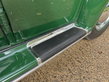
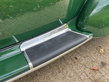
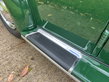
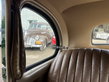
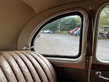
This delightful Humber presents in delightful condition. It was purchased in the late 90’s as an ex-embassy vehicle and came complete with flagpole and star plates. The previous owner-a driver during his National Service in the late 50’s recreated this car to the same specification as the one used by the Chief of Staff of Southern Command-Major General D.G. Hyman. The bodywork has been extensively taken care of, with the wings removed, any corrosive areas cut-out and refabricated. The bodywork was then re-assembled and repainted to a very good standard. The brown leather seats are original and have 74 years of patina to them. The walnut wooden dashboard is in great order and the Jaeger instruments have aged well.
Today, the Humber Super Snipe stands as a symbol of post-war British motoring. Enthusiasts admire it not only for its elegant design and engineering but also for its cultural significance, representing a period when Britain sought to balance luxury, practicality, and prestige in its automotive industry. It is hard to think there are many examples better than this one.
