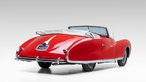
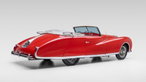
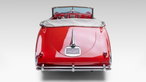
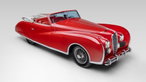
1949 Delahaye 175
-
Baujahr1949
-
Kilometerstand2 738 km / 1 702 mi
-
AutomobiltypSonstige
-
Losnummer124
-
Referenznummer6837
-
LenkungLenkung links
-
ZustandGebraucht
-
Markenfarbe außenother
-
Standort

-
AußenfarbeSonstige

Beschreibung
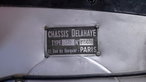
Chassis No. 815036
Engine No. 815036
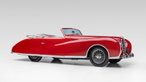
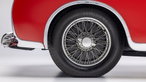
The Type 175 emerged as Delahaye's flagship in the aftermath of World War II. When the twelve-cylinder Type 145/165 proved too costly to pursue, the board of directors elected to return to what Delahaye did best-powerful and robust six-cylinder grand tourers. The first Type 175 chassis was shown at the Paris Salon in 1946. It was the most advanced Delahaye to date, with Dubonnet-type independent front suspension, a DeDion rear axle, and a 4.5-liter inline-six with seven main bearings and a 12-port cylinder head. Also featured were Lockheed dual-circuit brakes and a Cotal four-speed transmission.
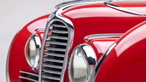
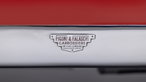
Without an in-house body shop, Delahaye and their clients courted the great French carrossiers to clothe the Type 175, and Figoni et Falaschi was called upon to body the show car. Chassis number 815001 was revealed with dramatic fixed-head coupe coachwork with a transparent Plexiglas sunroof panel.
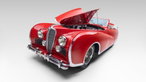
For the 1949 edition of the Paris Salon, the car offered here, chassis number 815036, was displayed with a similar Figoni et Falaschi coupe body, but instead of the Plexiglas roof, it had a more practical removable sunroof panel. Reportedly finished in a light metallic blue, the beautiful flowing coupe caught the eye of Jayachamaraja Wodeyar Bahadur, the last ruling Maharaja of Mysore, one of India's largest principalities. The Maharaja was a well-known motoring enthusiast with sophisticated taste, and he purchased chassis 815036 soon after the Salon. The Delahaye joined a large stable of significant cars and was used sparingly while in India. In about 1972, an American businessman and fellow car collector Joseph Mingolla acquired the Figoni Delahaye from an Indian collector/dealer who had recently purchased it from the Royal Family.
According to a fascinating letter from Mingolla's son, Joseph Mingolla II, the car was in excellent mechanical condition at the time but displayed some cosmetic patina. It was sent to England to FLM Panelcraft, respected restorers and coachbuilders who had restored several of the elder Mingolla's cars. There, it was freshened and repainted in metallic silver, then shipped to the family's home in Massachusetts. The younger Mingolla recalled using it (with much success) on dates in Boston!
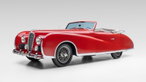
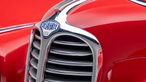
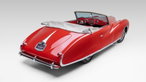
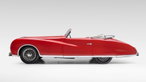
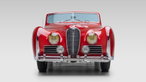
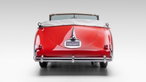
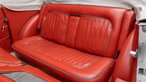
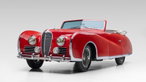
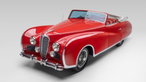
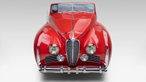
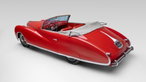
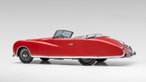
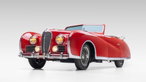
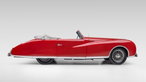
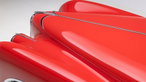
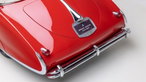
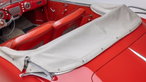
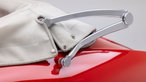
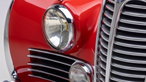
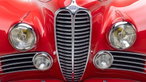
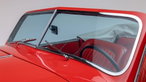
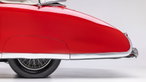
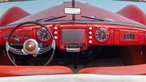
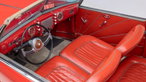
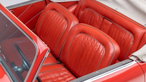
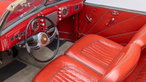
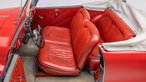
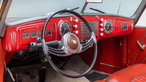
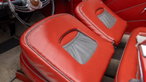
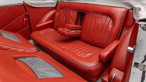
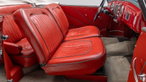
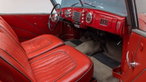
The car returned to Europe while still in the care of the Mingolla family. Joseph II recalled driving it in Paris where the striking Figoni et Falaschi creation reportedly caused quite a stir around the Arc de Triomphe. He then took it to England for display at the National Motor Museum at the behest of Lord Montagu of Beaulieu. In the early 1980s, Elton John's agent saw the car on display and negotiated its purchase on Elton's behalf for the princely sum of $50,000. Sir Elton owned the car for just a few years. It is believed that in the late 1980s, an unknown owner commissioned a British coachwork shop to remove the roof, transforming the car into a cabriolet and refinishing it in its current orange-red livery. Critically, the remainder of the original Figoni et Falaschi coachwork was retained.
In 2001, Robert E. "Pete" Petersen, founder of Petersen Publishing and the eponymous Petersen Automotive Museum, acquired 815036 for his museum's rapidly growing collection. Petersen recognized the car's historical significance as one of just 51 Type 175s produced, and one of only five bodied by Figoni et Falaschi. After nearly two decades in the care of The Petersen, it was deaccessioned in 2020 and acquired by the consignor.
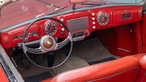
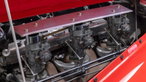
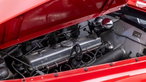
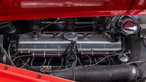
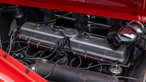
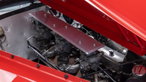
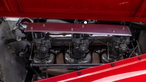
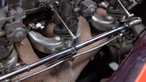
As offered, the Maharaja of Mysore Delahaye 175 remains in the same specification as it was in The Petersen Museum. It retains its original, numbers-matching 4.5-liter inline-six, equipped with the optional high-performance manifold and trio of Solex carburetors. It also retains a correct Cotal four-speed semi-automatic gearbox.
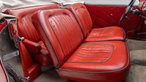
With some mechanical and cosmetic attention, 815036 can be readily prepared for regular touring enjoyment, or serve as the basis to further restore to its original splendor. With fascinating history in the hands of renowned collectors and enthusiasts, and rich historical significance, this Type 175 represents a rare opportunity to acquire a post-war Delahaye with the unmistakable glamor of Figoni et Falaschi coachwork.